
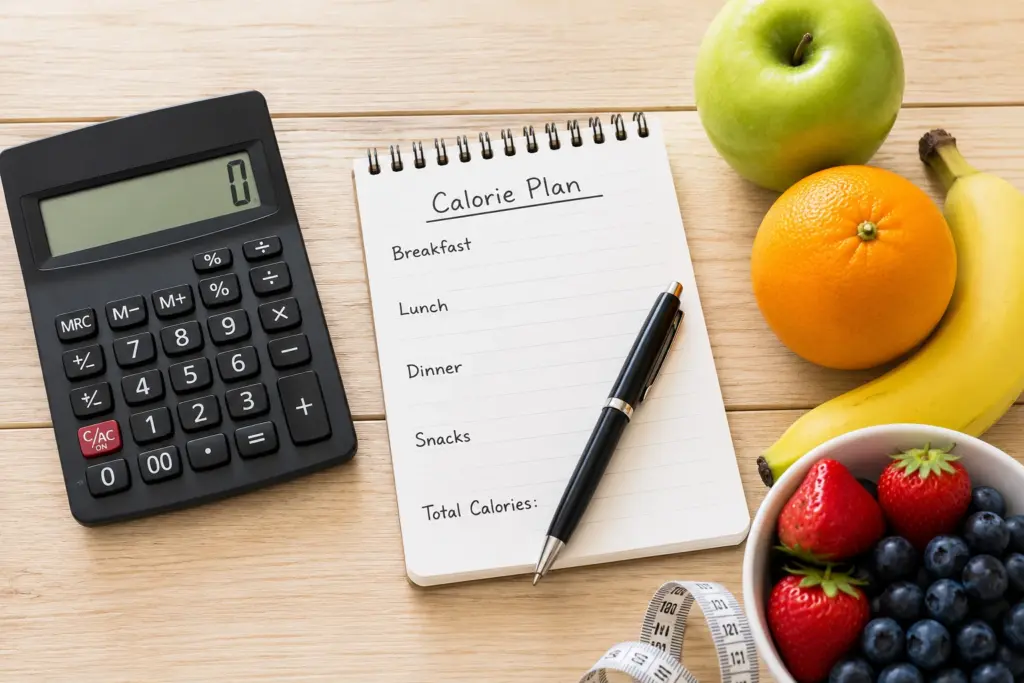
Losing weight can feel confusing when there are thousands of diets, workout trends, and quick-fix solutions online. However, one principle remains scientifically proven and effective: maintaining a calorie deficit. Whether your goal is to burn fat, improve your health, or achieve better body composition, understanding how calories work is the foundation of long term success.Understanding a calorie deficit for weight loss is important before starting any fat loss journey.
A calorie deficit calculator for weight loss helps you estimate how many calories your body needs daily and how much you should eat to lose weight safely. Instead of relying on starvation diets or unrealistic fitness plans, a calculator gives you a more personalised and sustainable approach.
At DeltaFitnes, we believe weight loss should focus on health, energy, and consistency rather than extreme restrictions. Therefore, this guide explains everything you need to know about creating a healthy calorie deficit, calculating your daily needs, avoiding common mistakes, and achieving results that last.
What Is a Calorie Deficit Calculator?
A calorie deficit calculator for weight loss is a tool that estimates how many calories your body burns each day and how many calories you should consume to lose weight gradually.
The calculator considers factors such as:
- Age
- Gender
- Height
- Weight
- Activity level
- Body composition
It works by calculating your:
- Basal Metabolic Rate (BMR) – calories burned at rest
- Total Daily Energy Expenditure (TDEE) – total calories burned through activity and body functions
Once your maintenance calories are estimated, the calculator subtracts calories to create a safe deficit for fat loss.
For example:
- Maintenance calories = 2,300
- Weight loss target = 1,800–2,000 calories
This creates a deficit that encourages your body to use stored fat for energy.
How Does a Calorie Deficit Work?
Your body constantly burns energy to support breathing, digestion, movement, hormone production, and other essential functions. When you eat fewer calories than your body burns, your body begins using stored fat as fuel.
This process is known as a calorie deficit.
Calorie Deficit=Calories Burned−Calories Consumed
For sustainable fat loss, most experts recommend a daily deficit of 300–500 calories. Larger deficits may lead to faster weight loss initially, but they often increase hunger, fatigue, and muscle loss.
In addition, modern research shows that slow and steady weight reduction is more effective for maintaining long-term results compared to crash dieting.
Understanding BMR and TDEE
Basal Metabolic Rate (BMR)
Your metabolic rate represents the number of calories your body needs to perform essential functions while resting.
These functions include:
- Breathing
- Blood circulation
- Body temperature regulation
- Cell repair
- Hormone production
One commonly used formula is the Mifflin-St Jeor Equation.
Formula for Men
BMR=(10×weight in kg)+(6.25×height in cm)−(5×age)+5
Formula for Women
BMR=(10×weight in kg)+(6.25×height in cm)−(5×age)−161
Total Daily Energy Expenditure (TDEE)
Your TDEE includes your BMR plus physical activity, workouts, walking, and daily movement.
Activity levels generally include:
- Sedentary
- Lightly active
- Moderately active
- Very active
- Athlete level active
Understanding both BMR and TDEE allows you to calculate your daily calorie needs more accurately.
Why a Calorie Deficit Calculator for Weight Loss Matters
Many people struggle with fat loss because they underestimate portion sizes or overestimate calories burned during exercise.
A calorie deficit calculator for weight loss helps by:
- Providing realistic calorie targets
- Preventing overeating
- Supporting weight management
- Improving consistency
- Helping monitor progress
- Encouraging healthier eating patterns
Moreover, it removes guesswork and allows you to build habits based on science instead of trends.
The Role of Macronutrients in Fat Loss
Although calories matter most for weight loss, food quality also plays a major role. Your body needs the right balance of protein, carbohydrates, and fats to stay healthy during a deficit.
Protein for Muscle Preservation
Eating enough protein can preserve muscle during weight loss. Read our complete guide on best protein for fat loss.Protein is essential for maintaining muscle while losing fat.
Benefits include:
- Increased fullness
- Better recovery
- Reduced cravings
- Improved metabolism
- Support for lean muscle mass
Excellent protein choices include:
- Chicken breast
- Eggs
- Fish
- Greek yogurt
- Lentils
- Tofu
- Cottage cheese
People who consume enough protein often experience better body composition during weight loss.
Healthy Carbohydrates for Energy
Carbohydrates are your body’s preferred fuel source. However, choosing quality carbs is important for stable energy and appetite control.
Good carbohydrate sources include:
- Oats
- Brown rice
- Sweet potatoes
- Whole grains
- Fruits
- Vegetables
- Beans
These foods provide fibre, vitamins, and minerals while supporting healthy eating habits.
Healthy Fats Support Hormones
Healthy fats help your body absorb nutrients and regulate hormones.
Nutritious fat sources include:
- Avocados
- Olive oil
- Nuts
- Seeds
- Salmon
- Peanut butter
Completely removing fats from your diet can negatively affect energy levels and overall health.
How to Create a Healthy Calorie Deficit
Creating a calorie deficit does not mean starving yourself. Instead, small sustainable changes usually produce the best long-term results.
1. Reduce Liquid Calories
Sugary beverages often contain hundreds of hidden calories.
Try replacing:
- Soda with water
- Sweetened coffee with black coffee
- Packaged juices with whole fruits
This simple step alone can significantly reduce calorie intake.
2. Focus on Nutrient-Dense Foods
Highly processed foods are easy to overeat because they are designed to be extremely palatable.
Instead, prioritise:
- Lean proteins
- Whole grains
- Vegetables
- Fruits
- Healthy fats
These foods improve satiety and naturally support fat burning.
3. Increase Daily Movement
Exercise is important, but daily movement matters just as much.
Examples include:
- Walking after meals
- Taking stairs
- Household chores
- Stretching breaks
- Standing more often
Increasing movement boosts your energy balance without requiring intense workouts.
4. Strength Training Is Essential
Many people focus only on cardio, but resistance training helps preserve muscle during weight loss.
Benefits include:
- Improved metabolism
- Better muscle tone
- Increased calorie burn
- Enhanced strength
Aim for at least 2–4 strength sessions weekly.
Best Exercise Strategy for Weight Loss
The most effective fitness plan combines:
- Cardio training
- Strength workouts
- Mobility exercises
- Active recovery
Cardio burns calories, while strength training protects muscle mass.Combining strength training with cardio improves calorie burning. You can also follow our Best Treadmil workout for weight loss.”
Good cardio options include:
- Walking
- Cycling
- Swimming
- Jogging
- Dancing
Meanwhile, resistance exercises improve long-term metabolic health.
Importance of Hydration During Weight Loss
Hydration is often overlooked, yet it directly affects appetite and performance.
Drinking enough water may:
- Reduce overeating
- Improve digestion
- Increase workout performance
- Support metabolism
- Prevent fatigue
Sometimes thirst is mistaken for hunger, which can lead to unnecessary snacking.
For most adults, drinking 6–8 glasses of water daily is a good starting point.
Common Mistakes That Slow Weight Loss
Even when following a calorie deficit, progress may stall for several reasons.
Underestimating Calories
Many people forget to track:
- Sauces
- Cooking oils
- Snacks
- Drinks
- Small bites throughout the day
These extra calories add up quickly.
Poor Sleep
Lack of sleep affects hunger hormones and increases cravings for high-calorie foods.
Aim for:
- 7–9 hours of quality sleep
- Consistent sleep schedules
- Reduced screen time before bed
Better sleep improves recovery and supports sustainable weight loss.
Excessive Restriction
Very low-calorie diets may initially produce rapid weight loss, but they often reduce energy and increase the risk of binge eating.
Instead of extreme dieting, focus on moderation and consistency.
Ignoring Portion Sizes
Even healthy foods contain calories. Therefore, understanding portion control remains important for long-term success.
Using smaller plates, measuring servings, or tracking meals occasionally can help maintain awareness.
Why You May Not Be Losing Weight in a Calorie Deficit
If progress slows despite dieting, several factors may be involved.
Metabolic Adaptation
As body weight decreases, your calorie needs also decline. This means your original calorie target may no longer create the same deficit.
Water Retention
Stress, poor sleep, high sodium intake, and hormonal fluctuations can temporarily increase water retention and hide fat loss progress.
Inconsistent Tracking
Weekend overeating often offsets weekday calorie restriction. Therefore, consistency matters more than perfection.
Lack of Patience
Healthy fat loss takes time. Although social media promotes rapid transformations, realistic progress is usually gradual.
A healthy rate is approximately:
0.5 kg−1 kg per week
This pace supports muscle preservation and better long-term results.
Can You Build Muscle in a Calorie Deficit?
Yes, especially if you are:
- New to strength training
- Returning after a break
- Carrying excess body fat
However, muscle growth in a deficit requires:
- High protein intake
- Progressive resistance training
- Adequate sleep
- Proper recovery
This process is often called body recomposition.
Mental Health and Sustainable Weight Loss
Modern weight loss approaches now recognise the importance of mental wellbeing alongside nutrition and exercise.
Restrictive dieting can create:
- Stress
- Food guilt
- Emotional eating
- Burnout
Instead, focus on developing a balanced lifestyle you can maintain for years.
Healthy habits should improve your quality of life rather than control it.
Practical Tips to Stay Consistent
Here are some proven ways to maintain progress:
- Plan meals in advance
- Keep healthy snacks available
- Track progress weekly instead of daily
- Celebrate non-scale victories
- Stay physically active
- Prepare realistic goals
- Avoid comparing yourself to others
Consistency always beats perfection.
Is a Calorie Deficit Safe for Everyone?
Although a calorie deficit works for most healthy adults, some individuals should seek medical advice before dieting.
This includes:
- Pregnant women
- People with eating disorders
- Individuals with medical conditions
- Those taking medications affecting metabolism
Professional guidance helps ensure safe and healthy progress.
Final Thoughts on Calorie Deficit Calculator for Weight Loss
A calorie deficit calculator for weight loss is one of the most useful tools for achieving sustainable fat loss. Instead of following restrictive trends, it helps you understand your body’s actual calorie requirements and create a realistic plan.
Successful weight loss depends on more than simply eating less. It requires balanced nutrition, consistent exercise, proper sleep, hydration, and patience.
Most importantly, focus on building healthy routines you can maintain long term. Gradual progress may seem slow at first, but sustainable habits create lasting results.
At DeltaFitnes, the goal is not only helping you lose weight but also supporting a healthier, stronger, and more confident lifestyl