Introduction
If you are trying to lose fat, then understanding calorie deficit for weight loss is the most important foundation you need. In simple words, weight loss is not about starving yourself, instead it is about creating a smart energy gap between what you eat and what your body burns.
However, many people struggle because they follow extreme diets or confusing advice. . You will learn how your body uses energy, how to create a safe deficit, and how to avoid common mistakes that stop progress.Moreover, this article is designed to be simple, realistic, and science-based so you can actually apply it in daily life.If you’re a beginner, check out our guide on https://blogs.oeditme.com/calorie-deficit-explained-simply to build a strong foundation.
What Is a Calorie Deficit?
A calorie deficit diet plan simply means you are eating fewer calories than your body needs to maintain weight. As a result, your body starts using stored fat for energy.
However, the key is balance. If the deficit is too extreme, you may lose muscle, feel tired, and struggle to continue. On the other hand, a moderate approach leads to steady fat loss.
In addition, your body doesn’t burn fat instantly. It adjusts gradually based on your habits, food intake, and activity level.
The Science of Energy Balance (Calories In vs Calories Out)
The idea behind fat loss energy balance is very simple:
- Calories In = food and drinks you consume
- Calories Out = energy your body burns daily
When calories in are lower than calories out, fat loss begins.
Moreover, calories out includes:
- Exercise
- Walking and daily movement
- Digestion
- Resting metabolism
Therefore, even small lifestyle changes can make a big difference over time.you can also check our water fasting guide for weight loss.
How Your Body Burns Calories (BMR, NEAT & TDEE Explained)
Your body burns energy in multiple ways. Understanding this helps you design a better calorie deficit diet plan.
1. BMR (Basal Metabolic Rate)
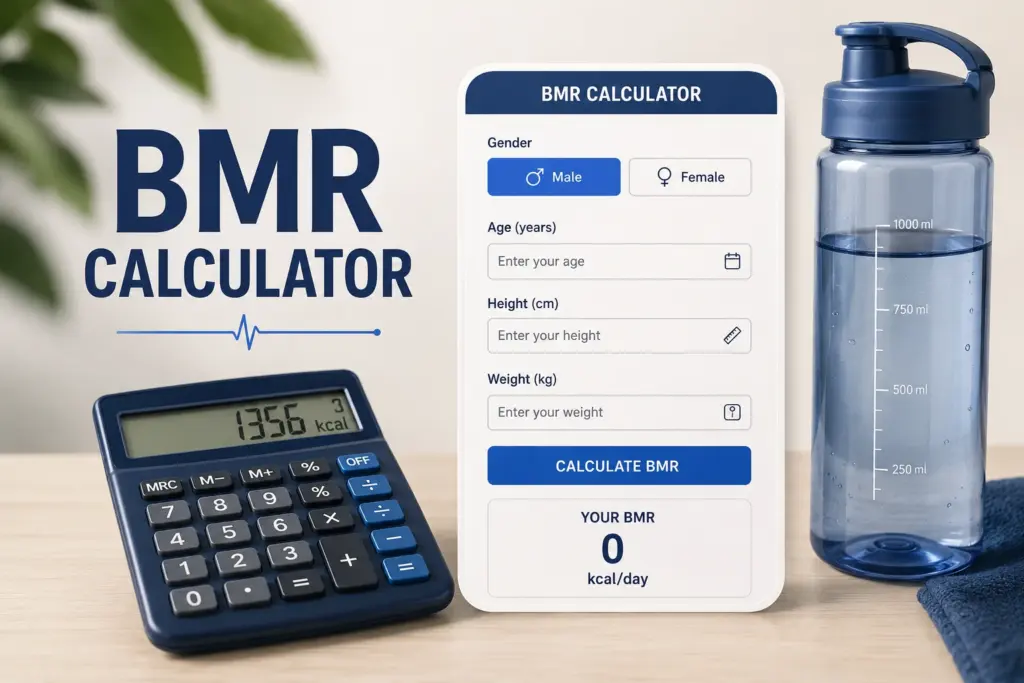
Your basal metabolic rate (BMR) is the energy your body uses at rest for survival functions like breathing and heartbeats.
2. NEAT (Non-Exercise Activity)
This includes daily movements like walking, cleaning, or even fidgeting.
3. TDEE (Total Daily Energy Expenditure)
Your total daily energy expenditure (TDEE) is the total calories you burn per day.
Therefore, TDEE is the most important number for weight loss planning.
How to Calculate Maintenance Calories
Before starting calorie deficit for weight loss, you must know your maintenance calories.
You can estimate this by:
- Using online calculators
- Tracking food intake for 1–2 weeks
- Observing stable weight
However, the most accurate method is tracking real intake with consistent activity.
Moreover, once you know your maintenance level, you can safely reduce calories.
Step-by-Step Guide to Creating a Calorie Deficit
Step 1: Understand Your Starting Point
First, identify your maintenance calories using maintenance calories calculator methods.
Step 2: Choose a Safe Deficit
In most cases, reducing 300–500 calories daily works best.
Step 3: Combine Diet and Activity
For example, reduce food intake slightly and increase walking.
Step 4: Track Progress
Moreover, monitor weight weekly instead of daily.
Step 5: Adjust When Needed
If progress slows, adjust intake or activity carefully.
What Is the Best Calorie Deficit for Healthy Fat Loss?
A safe calorie deficit for weight loss is usually:
- Small deficit: 200–300 calories
- Moderate deficit: 300–500 calories
However, larger deficits may cause fatigue and muscle loss.In addition, a moderate deficit is easier to maintain long-term, which is more important than fast results.
Why You Are Not Losing Weight in a Calorie Deficit
Sometimes, even when people follow a calorie deficit diet plan, they do not see results.
Common reasons include:
- Incorrect tracking (hidden calories)
- Low macronutrient balance for fat loss
- Reduced daily movement
- Water retention
- Stress and poor sleep
Therefore, always check lifestyle habits first before changing your plan.Moreover, consistency matters more than perfection.
How to Break a Weight Loss Plateau
A plateau is normal during calorie deficit for weight loss journeys.
To fix it:
- Recheck calorie intake
- Increase daily steps
- Improve protein intake
- Reduce processed foods
For example, adding 20–30 minutes of walking can restart fat loss.
However, avoid drastic cuts because they often slow metabolism further.
Sustainable Fat Loss Strategies That Actually Work
To achieve long-term success, focus on:
- Eating high protein meals
- Following healthy calorie restriction
- Strength training
- Drinking enough water
- Sleeping properly
Moreover, consistency is more powerful than perfection.
In addition, small daily habits create long-term transformation.
Meal Planning for Calorie Deficit
A good calorie deficit diet plan should be simple and flexible.
Include:
- Lean protein (chicken, eggs, fish)
- Fiber-rich vegetables
- Whole grains
- Healthy fats
For example:
- Breakfast: eggs + fruit
- Lunch: chicken + rice + salad
- Dinner: fish + vegetables
Therefore, you stay full while staying in a deficit.Moreover, following a best protein diet for weight loss helps reduce hunger and supports long-term consistency.
Lifestyle Habits That Improve Fat Loss Results
Lifestyle plays a huge role in calorie deficit for weight loss success.
Key habits:
- Walk more daily
- Reduce sugary drinks
- Manage stress
- Avoid late-night eating
- Stay active during the day
Moreover, these habits improve metabolism naturally.
Frequently Asked Questions
Can I lose weight without a calorie deficit?
No, fat loss only happens in a calorie deficit diet plan.
How fast can I lose weight?
Usually 0.5–1 kg per week is safe.
Do I need to track calories forever?
No, tracking is temporary for awareness.
What is the best deficit for beginners?
A moderate calorie deficit for weight loss of 300–500 calories works best.
Conclusion
In conclusion, understanding calorie deficit for weight loss is the foundation of every successful fat loss journey. However, the real key is not extreme dieting, but balance, consistency, and sustainability.
Moreover, when you combine smart eating habits, regular activity, and patience, results naturally follow. Therefore, focus on long-term progress instead of quick fixes.
Finally, remember that small changes done consistently create the biggest transformation in your health and body.